
Quick answer: The D2C meaning is simple: direct-to-consumer. The D2C full form is “Direct to Consumer”, and it’s sometimes written as DTC. A D2C brand makes or sources its own products and sells them straight to customers, mainly through its own website, app and social channels, rather than relying only on distributors and retail shelves. Selling direct gives a brand its own customer relationships, data and pricing control. It also means the brand’s photos, films and messaging have to do the selling a shopkeeper used to do. That’s why creative matters so much in a D2C brand’s first year.

D2C Meaning and Full Form
D2C stands for Direct to Consumer. In a traditional model, a company makes a product and sells it to distributors, who sell to wholesalers and retailers, who finally sell to you. Each step adds a margin, and the company that made the product rarely knows who bought it.
In a D2C model, the brand cuts out most of those steps. It sells through its own online store, takes the order, ships the product (directly or through a logistics partner) and owns the relationship with the customer from the first ad to the tenth repeat order.
D2C vs B2C
B2C (business to consumer) is the broader term. Any business that sells to individual customers is B2C, including a supermarket selling other companies’ products. D2C is a specific kind of B2C, where the brand that makes the product sells it to the customer itself.
D2C vs marketplaces
Selling on Amazon, Flipkart, Myntra or Nykaa isn’t strictly direct-to-consumer, because the marketplace owns the storefront and much of the customer relationship. In practice, most Indian D2C brands sell on their own website and on marketplaces, and many later add quick commerce and physical stores. What makes them “D2C-first” is that their own channels and their own brand are at the centre of the business.
What Is a D2C Brand? The Traits They Share
- They own their channel. A website, app or social shop where the brand controls the experience, pricing and story.
- They own their customer data. Who buys, what they buy, how often and why. That lets them improve products and marketing quickly.
- They’re digital-first. Most customers discover them through Instagram, YouTube, search and ads, not on a shelf.
- They’re built around a clear niche. A specific customer, a specific problem and a point of view.
- They need a lot of content. Every product, every launch and every ad needs images and video. Without a shop counter, the content is the shop.
D2C Brands in India: Examples
India’s D2C space covers almost every consumer category. A few widely known examples, by category:
- Audio and wearables: boAt
- Personal care and beauty: Mamaearth, Sugar Cosmetics
- Eyewear: Lenskart
- Sleep and home: Wakefit
- Apparel and merchandise: The Souled Store
- Men’s grooming: Bombay Shaving Company
Many of these built their names by selling online, then added marketplaces and offline retail as they grew. The common thread isn’t the channel mix. It’s that each one built a recognisable brand that customers seek out by name.
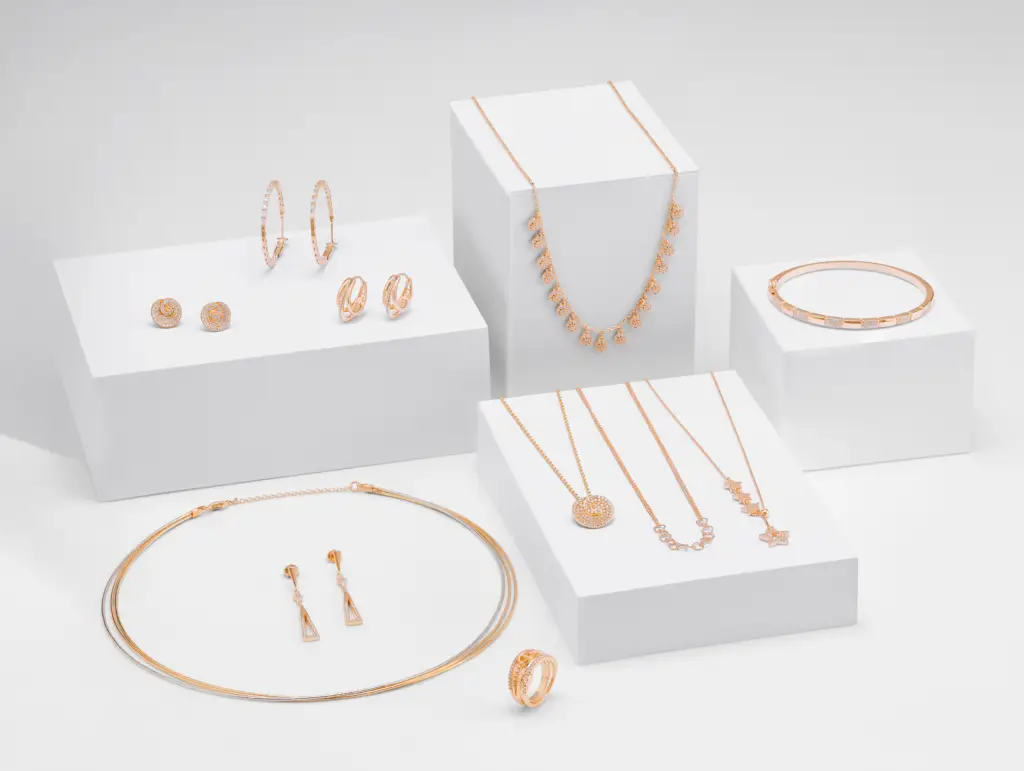
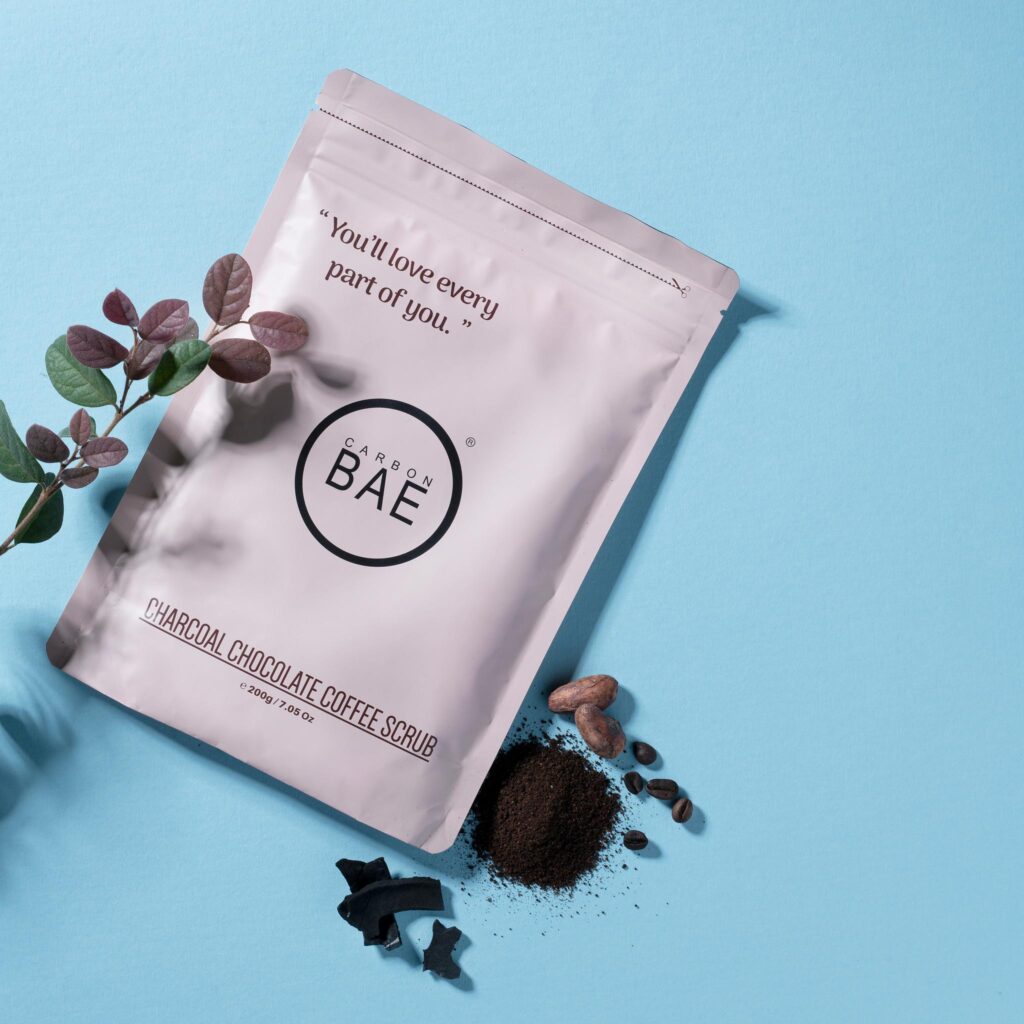
Closer to home, we work with younger D2C brands at the zero-to-one stage. PUCA Shoes is a fast-growing D2C footwear brand that sits between luxury and mass-market. Glain Lifestyle is a modern, lightweight silver jewellery brand. Carbon BAE is a skincare line built around activated charcoal.
D2C Branding: Why the Brand Matters More When You Sell Direct
When a customer meets your product in a shop, the shelf, the packaging, the salesperson and the chance to pick it up all do some of the persuading. Online, most of that disappears. The customer sees a few images and a few seconds of video, often while scrolling past dozens of competitors. D2C branding is how you win those few seconds and then earn the second purchase.
In practice, D2C branding comes down to a handful of decisions you make early and hold consistently:
- Positioning: who the brand is for, what it promises and why it’s different.
- A visual system: colour, light, composition, model styling and the overall look of your images and films.
- A voice: how the brand speaks in captions, ads, packaging and customer service.
- Packaging and unboxing: often the first physical touchpoint with the brand.
- A founder or origin story: why the brand exists, told honestly.
For Glain, the central creative idea was “simplicity as luxury”. The jewellery had to feel breathable, contemporary and wearable, so we built a minimal visual language of neutral palettes, soft shadows and controlled highlights. That one idea guided everything from product photographs to website banners and performance ads. That’s what D2C branding looks like on a shoot day.
What a D2C Brand Needs From Its Creative in Year One
Founders often ask us what they actually need to produce in the first year. Every brand is different, but the work usually falls into three stages.
Stage 1: Foundations (before launch)
- A creative direction. A moodboard and visual framework that turns your positioning into a look. It’s the brief for every shoot that follows.
- A core product photography set. Clean packshots for your website and marketplaces, styled frames for banners and lifestyle images that show the product in use.
- A hero film. One film that introduces the brand or the product range, which can be cut down into shorter versions. A founder film or brand manifesto works well here.
- Website and storefront visuals. Banners, collection images and product-page imagery for Shopify, Amazon and other storefronts.
Stage 2: Launch
- Several ad creatives, not one. Different hooks, formats and angles, so you can test what actually works.
- Vertical video for Reels and Shorts. Short product films, demos, cinemagraphs and stop motion.
- A social content bank. Enough posts and stories to keep the grid alive for the first few months.
Stage 3: Learn and refresh
- Retargeting and refresh packs. New versions of winning ads before they wear out.
- Customer and creator content. Reviews, testimonials and UGC-style videos that add social proof.
- Content for every new SKU and season. Shot in the same visual system, so the brand stays consistent as it grows.
The most efficient way to cover Stage 1 and much of Stage 2 is one well-planned production. For Glain, one production delivered a hero video, 10 lifestyle photographs, 5 product photographs and 30 social media visuals. For PUCA, it was a hero video, 6 social ads and 15 retouched photos, in short vertical cuts for Reels, widescreen edits for website banners, high-resolution stills for ads and detail shots for product pages. For Carbon BAE, it was a hero video, 8 social ads and 12 retouched photos.

Common Year-One Creative Mistakes
- Shooting before the positioning is clear. Beautiful images that don’t say anything specific are hard to use in ads.
- Only shooting packshots. White-background images are essential, but they won’t carry your Instagram or your ads on their own.
- Treating every shoot as a one-off. If each shoot has a different look, the brand never builds recognition.
- Forgetting vertical formats. Most discovery now happens on phones, in 9:16.
- Making one ad and hoping it works. Plan variations from the start so you can test and learn.
- Spending everything on launch. Keep budget for refreshing creatives once you know what’s working.
Frequently Asked Questions
What is the full form of D2C?
The full form of D2C is Direct to Consumer. It’s also written as DTC. It describes brands that sell their own products directly to customers rather than only through distributors and retailers.
What is a D2C brand, in simple words?
A D2C brand is a company that makes its own products and sells them straight to you, usually through its own website, app or social media, instead of relying mainly on shops and middlemen.
What is the difference between D2C and B2C?
B2C covers any business selling to individual customers, including retailers selling other brands’ products. D2C is a type of B2C where the brand that makes the product sells it directly to the customer.
Is selling on Amazon D2C?
Not strictly, because the marketplace owns the storefront and much of the customer relationship. But most D2C brands in India sell on marketplaces as well as their own website. They are D2C-first because their own channels and brand sit at the centre.
What does D2C branding include?
D2C branding includes positioning, a consistent visual system for photos and films, a brand voice, packaging and the founder or origin story. Together, these help a brand stand out online and earn repeat customers.
How much content does a new D2C brand need?
At minimum: a full set of product images for every SKU, lifestyle and styled images for your website and ads, one hero film with cutdowns, and enough vertical video to run several ad variations. After launch, plan regular refreshes rather than one big shoot a year.
Building a D2C Brand From Zero to One?
The Vertical Story is a creative partner for D2C founders, covering brand strategy, communication and creative execution from one team. Our e-commerce visual production covers packshots, styled product photography and storefront visuals, and our funnel-driven creative strategy work covers founder films, ad films and modular ad packs. If you’re planning your first year, tell us about your brand and we’ll help you map out what to make first.
Written by: Naseef Gafoor, Director, The Vertical Story
Produced by: The Vertical Story, Creative Content Studio, Kochi