
Quick answer: Product photography for a D2C brand isn’t one shoot. It’s a set of image types, each with a job: clean white-background packshots for marketplaces, styled and lifestyle images for your website and ads, detail shots for trust, and short motion for social. Plan the shot list by channel, prep every SKU before the shoot day, and budget by complexity, not just by image count. Here’s how we approach it, with notes from our own D2C shoots.

Why Product Photography Matters More for D2C
When you sell direct, your images do the job a shop counter would normally do. There’s no salesperson to pick the product up, turn it in the light and tell the customer what it feels like. The photographs have to do all of that, often on a phone screen, often in under two seconds.
For a young brand, product photography also builds the brand. The same frames show up on your Shopify store, your Amazon listing, your Instagram grid and your Meta ads. If they look like they come from four different brands, customers notice. If they feel like one considered visual system, you look bigger and more trustworthy than your size.
Types of Product Photography
Most D2C brands need a mix of the following. Knowing the types helps you brief a studio clearly and avoid paying for images you won’t use.
1. Packshots (white background product photography)
The product alone on pure white, evenly lit, colour-accurate and sharp edge to edge. These are your marketplace main images and your product-page defaults. They should be boring in the best way: consistent angles, consistent shadows, no surprises.
2. Styled product photography
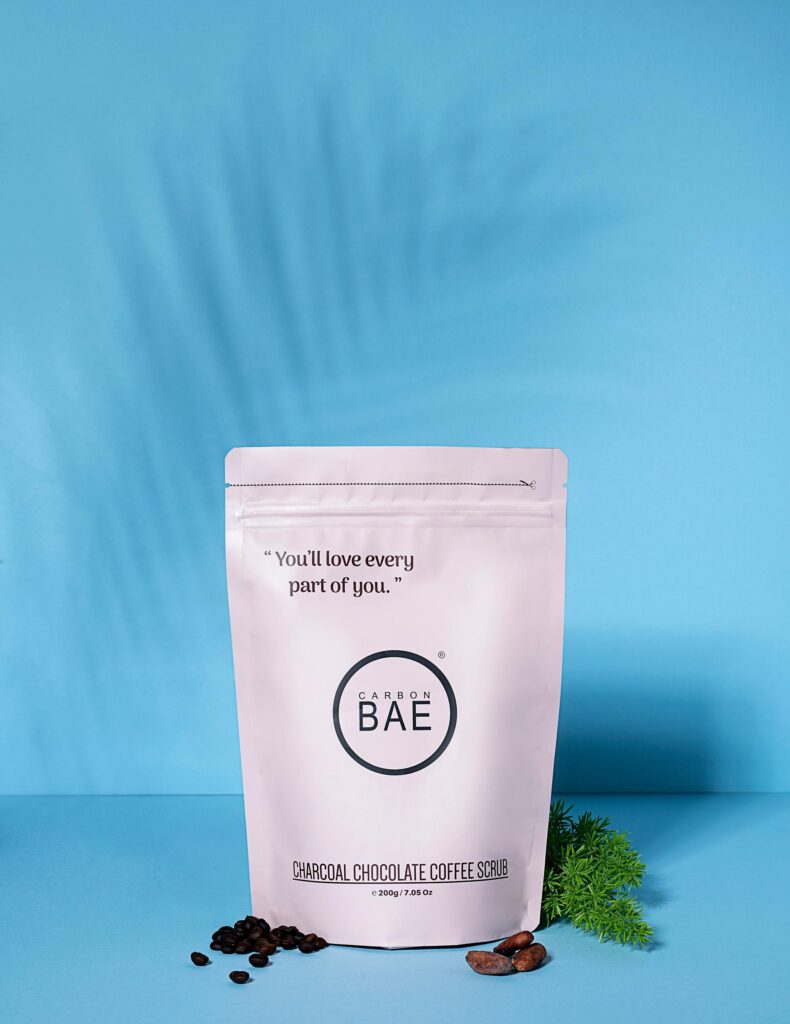
The product on a designed set: coloured blocks, textured surfaces, props that suggest ingredients or mood. This is where brand personality comes in. For Carbon BAE, an activated-charcoal skincare line, we built clean, minimal sets with display blocks and greenery so the jars read as fresh and purifying rather than clinical. A prop stylist on set made a real difference.
3. Lifestyle and on-model photography
The product being used by a person in a believable setting. This answers “what will it look like on me, in my home, in my day?” For footwear, apparel, jewellery and home products, it’s often the image that actually sells.
4. Detail and macro shots
Stitching, texture, the finish on a clasp, the pour of a serum. Detail shots tell customers about quality without a paragraph of copy.
5. Scale and in-hand shots
A surprising number of returns come from “it was smaller than I thought”. One image showing the product in a hand or next to a familiar object reduces that.
6. Range, group and flat-lay shots
The whole collection or a bundle in one frame. These are useful for gift sets, combo listings, website banners and launch posts.
7. 360° spins
A sequence of frames, often 24 to 72, shot on a turntable so customers can rotate the product on screen. Worth it for products where shape and every side matter, like shoes, bags, gadgets and décor.
8. Product video and motion
Short loops, cinemagraphs, stop-motion and demo clips. These are not strictly photography, but they’re best planned in the same shoot because the set, styling and lighting are already in place.
Which Images You Need, Channel by Channel
Ecommerce product photography works best when every image has a destination before it’s shot. Here’s how the types map to the channels most Indian D2C brands sell on.
- Amazon and other marketplaces: a white-background main image, then secondary images covering angles, details, scale, in-use and benefit-led infographics. Amazon’s main image rules have long asked for a pure white background, with the product filling most of the frame and at least 1,000 px on the longest side so zoom works. Always check the current category style guide in Seller Central before you shoot.
- Shopify or your own website: consistent packshots on product pages (square crops keep grids tidy), plus lifestyle and detail images further down the page and wide banners for collections.
- Meta and Google ads: styled and lifestyle frames in 4:5 and 9:16, with space for text. Plan several variations of each idea so you can test creatives.
- Instagram and social: vertical lifestyle images, short motion, behind-the-scenes and range shots that keep the grid feeling like the brand.
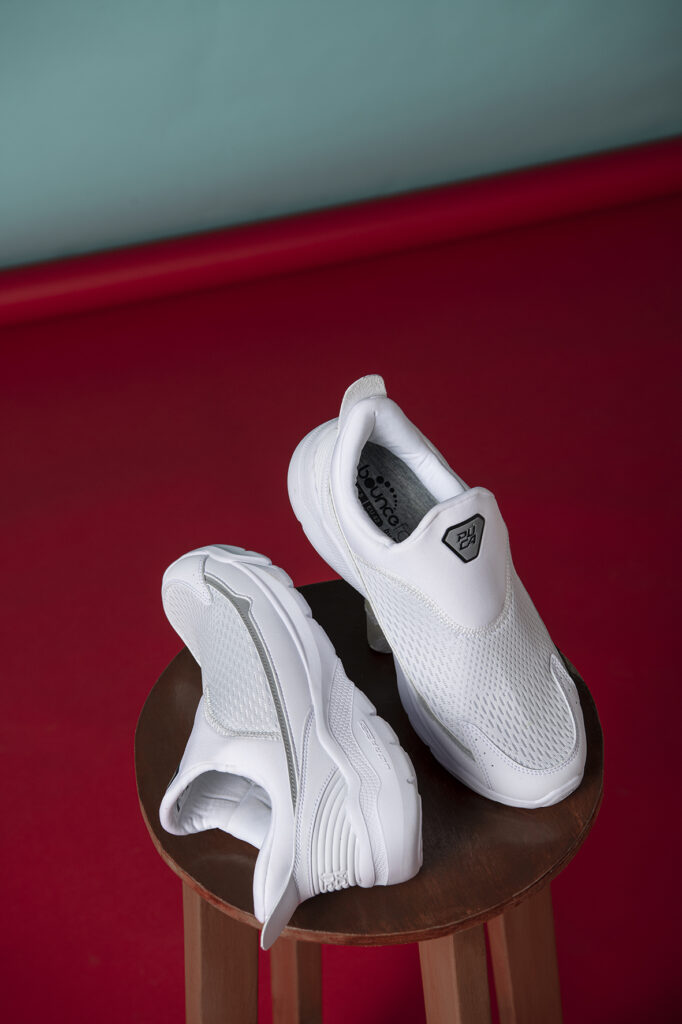
On our PUCA Shoes shoot, we delivered the same story in several formats: short vertical cuts for Reels, widescreen edits for website banners, high-resolution stills for ads and detail shots for product pages. Planning formats up front is what makes one shoot cover the whole funnel.
A Product Shoot Shot List You Can Adapt
A shot list is the single most useful document for a product shoot. It keeps the day moving and makes sure nothing gets missed. Here’s a starting point.
Per-SKU e-commerce set
- Front, on white (marketplace main image)
- Back or reverse, on white
- Side or three-quarter angle
- Top-down or open view (lid off, box open, sole up)
- Detail or texture macro
- Scale or in-hand
- Packaging with product
- Clean base frames for infographics (with room for text)
Brand and campaign set
- Hero styled frame for the website banner (wide, with space for copy)
- Two or three styled set-ups per collection, each with a different mood
- Lifestyle or on-model frames showing real use
- Range or bundle shot
- Vertical variants of every hero frame for Stories and Reels
Motion add-ons
- A 5–10 second product loop on the hero set
- One texture or pour clip
- One short in-use clip
What We’ve Learned on Real D2C Shoots
Footwear needs movement
Shoes look lifeless when they only sit still. For PUCA, a D2C footwear brand, we structured the shoot around lifestyle stories rather than static product shots. Outdoor scenes showed movement and versatility, while indoor studio set-ups focused on texture, stitching and form. Natural light suggested comfort and breathability. Controlled studio light showed structure and craftsmanship.
Reflective products need light control
Silver, glass, gold and glossy packaging reflect everything around them, including the photographer. For Glain Lifestyle, a modern silver jewellery brand, lighting was shaped to avoid harsh glare while keeping crisp detail in the silver textures. Soft shadows, controlled highlights and clean backgrounds kept every frame clear enough for e-commerce and ads. The scope combined product photographs, lifestyle photographs, a hero video and a bank of social visuals from one production.

Consistency is a production decision
Colour tones, framing, backgrounds and model styling have to be decided before the shoot and held across every set-up. Post-production then locks tonal consistency across the whole asset bank. That’s what makes a website, a marketplace listing and an ad feel like the same brand.
How to Prepare for a Product Shoot
- Send a SKU list early with sizes, colours, quantities and which channel each image is for.
- Ship clean, perfect samples. Dents, dust, scuffed labels and creased packaging all cost retouching time. Send spares of anything fragile.
- Share references, such as a moodboard of images you like and don’t like, plus your brand colours and fonts.
- Confirm technical specs such as marketplace sizes, aspect ratios and file formats before the shoot, not after.
- Decide on models and props in advance. Casting, styling and prop sourcing are separate tasks with their own lead times.
- Nominate one approver who can sign off frames on set, so decisions don’t wait.
Product Photography Cost in India
Pricing varies widely, so it helps to understand what drives it. Going by published 2026 rate cards from Indian e-commerce studios, simple white-background images typically start at around ₹150–₹500 per image for straightforward products in volume. Complex, reflective or on-model work can run to ₹1,500 per image or more. Half-day and full-day studio packages commonly range from about ₹10,000 to ₹1,00,000. Brand campaigns with a creative director, set design, models and video sit above that. Treat these as indicative ranges, not quotes.
The factors that actually move the number:
- Number of SKUs and angles: volume brings the per-image rate down.
- Product complexity: jewellery, glass, liquids and glossy packaging need more lighting and retouching time.
- Style: packshots are fastest. Styled sets, lifestyle and on-model work add set design, props, stylists, models, hair and make-up.
- Location: studio versus outdoor or on-location, plus permissions and travel.
- Retouching depth: basic clean-up versus high-end compositing.
- Creative direction and strategy: moodboards, concept development and a shot list built around your funnel.
- Motion: adding video, 360° spins or stop-motion in the same schedule.
- Usage and turnaround: rush delivery and broad usage (outdoor, print) can change pricing.
For most growing D2C brands, the best value is one well-planned shoot that delivers packshots, styled frames, lifestyle images and short motion together, instead of separate shoots that never quite match.
Common Product Photography Mistakes
- Shooting before the packaging is final
- Inconsistent angles and lighting across a range
- Only shooting white-background images and then struggling for ad creatives
- Forgetting vertical crops for Reels and Stories
- Over-retouching until the product no longer looks like what arrives at the door
Frequently Asked Questions
What is product photography?
Product photography is the craft of photographing products so they can be sold, whether on marketplaces, websites, ads or social media. It includes white-background packshots, styled and lifestyle images, detail shots, 360° spins and often short product video.
How much does product photography cost in India?
It depends on the number of SKUs, product complexity, style and retouching. Published 2026 rate cards from Indian studios show simple white-background images starting at a few hundred rupees each, with styled, on-model and campaign work costing considerably more. Ask for an itemised quote against your actual SKU list.
What is the difference between a packshot and lifestyle product photography?
A packshot shows the product alone on a clean background for clarity and accuracy. Lifestyle photography shows the product in use, in a real setting, often with a person, to help customers imagine owning it.
How many photos does each product need?
For marketplaces and product pages, plan for six to eight images per SKU: the main image, alternate angles, details, scale, in-use and infographic frames. Hero and campaign images are usually shot per collection, not per SKU.
Can product photos and product videos be shot on the same day?
Yes, and it usually saves money. The set, styling and lighting are already in place, so short loops, demos and social clips can be captured alongside the stills with the right crew.
Planning a Product Shoot?
At The Vertical Story, our e-commerce visual production work covers packshots, styled product photography, 360° spins, Amazon and Shopify storefront visuals and D2C brand films, all planned around where each image needs to perform. If you’re launching a range or refreshing your listings, tell us about your products and we’ll suggest a shot list that fits your channels and budget.
Written by: Naseef Gafoor, Director, The Vertical Story
Produced by: The Vertical Story, Creative Content Studio, Kochi