Quick answer: An ad film sells something specific, like a product, a collection, an offer or a season, and asks the viewer to act. A brand film tells people who you are and why you exist; it builds feeling and memory over a longer time. A corporate film explains your company, such as its capabilities, process, people and values, usually to clients, partners, investors or employees. TVC and DVC describe where an ad film runs: television or digital. Choose by the job you need done. For a launch or a sale, make an ad film. To build positioning, make a brand film. For B2B trust and sales conversations, make a corporate film.
The Short Version: How the Three Compare
- Ad film: built to sell a product, offer or campaign. Usually short (often 10 to 60 seconds, with cutdowns). Runs as paid media on TV, YouTube, Meta, OTT and in-store screens. Judged on reach, recall and response. Its life is usually one campaign or season.
- Brand film: built to express identity, values and purpose. Often one to three minutes, with shorter edits. Lives on the website, YouTube, social, events and presentations. Judged on how people feel about the brand. It can stay relevant for years.
- Corporate film: built to inform and reassure. Length depends on use. Shown in sales meetings, trade shows, investor decks, recruitment and the website’s About page. Judged on clarity and credibility.
What Is an Ad Film?
An ad film is a short commercial made to promote something specific: a new product, a collection, a festive offer or a launch. It usually has a clear message, a strong hook in the first few seconds and a call to action, even if that’s just the brand name and the collection at the end.
For Bhima’s festive 2023 campaign, we produced three hero films, six hero cutdowns and thirty retouched photographs. The films, including one for Onam, blended traditional elegance with contemporary appeal, and the cutdowns gave the campaign shorter versions for social placements. For Kalyan Silks, the brief was six digital films aimed at Gen Z audiences, with bold styling, choreography and social-first storytelling.
TVC vs DVC
A TVC (television commercial) is an ad film made for broadcast TV. A DVC (digital video commercial) is made for digital platforms such as YouTube, Instagram, Facebook and OTT. The difference is less about craft and more about format. TVCs follow fixed durations and broadcast specifications. DVCs need to work with the sound off, hook viewers in the first second or two and come in vertical, square and horizontal versions. Many campaigns today are shot once and finished as both.
What Is a Brand Film?
A brand film is a short cinematic film that tells the story of who you are, what you stand for and why you exist. As we put it in our post on the importance of a brand film, it’s the difference between saying “we have 50 years of legacy” and showing what that legacy feels like through imagery, music and human connection.
For GITAM University, the goal was a cinematic, emotionally honest picture of campus life. Instead of casting actors, the film followed real students through a day on campus, from discovery in the morning to collaboration at noon and reflection in the evening. The edit was finished as a main three-minute film for the web and presentations, 30-second and 15-second edits for social teasers and vertical versions for Instagram Reels and LinkedIn.

Where brand films and ad films overlap
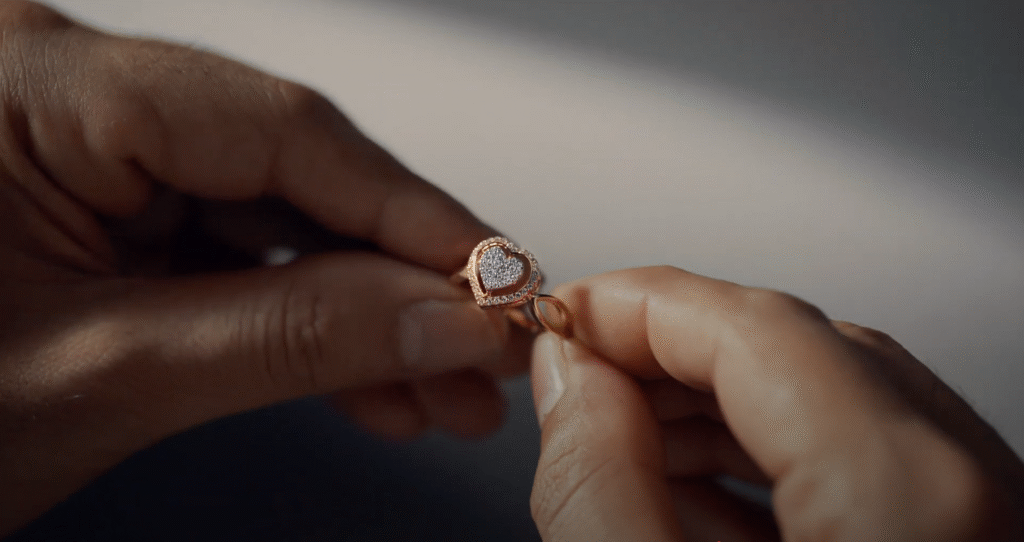
The line isn’t always sharp. Bhima’s Kahani collection film had a commercial job, which was to launch a bridal collection, but it was made like a brand film. A bride-to-be discovers an old book of designs in an artisan’s workshop, and the designs come alive as the real jewellery. We built the atelier as a studio set and shot it over three days. You can read the full story in our Kahani behind-the-scenes post. Many of the strongest ad films borrow this approach: they sell a product by telling a story people want to watch.
What Is a Corporate Film?
A corporate film explains an organisation: what it does, how it does it, who’s behind it and why clients can trust it. It’s often the film a sales team plays in a meeting, a company shows at a trade fair or new employees watch on their first day.
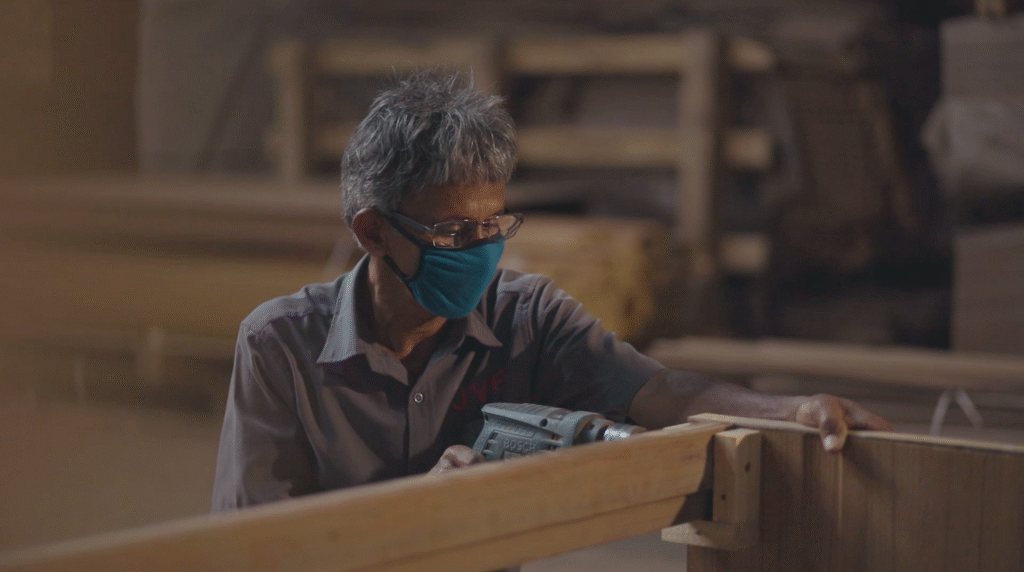
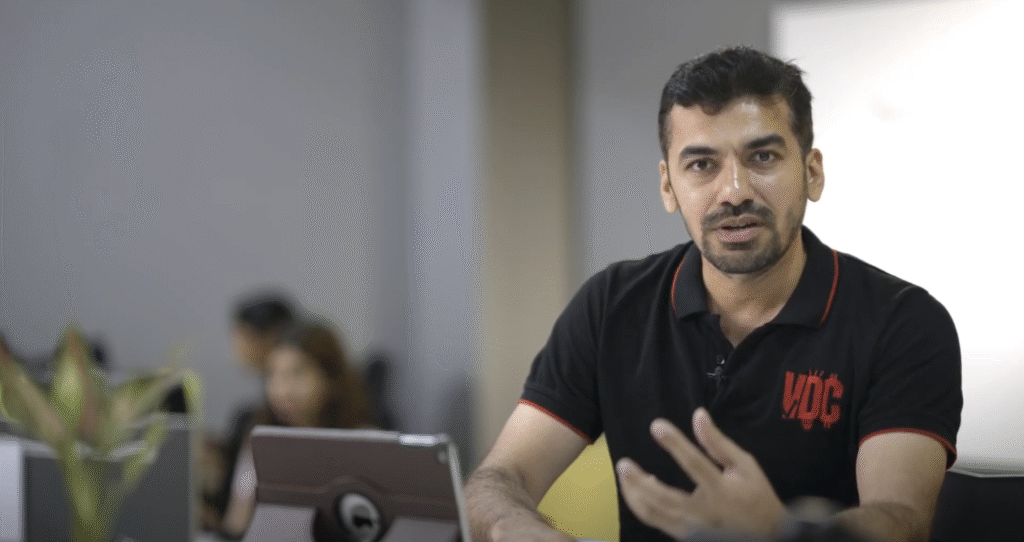
For Jacsons Veneers and Panels, a Kochi-based company making premium wood veneers and panel solutions, the corporate film showcased the manufacturing process, product quality and brand values. It now serves as a brand asset for digital platforms, presentations and client engagement. Corporate video production often also includes leadership interviews, testimonials and explainers. For GITAM, alongside the brand film, we made short testimonial films featuring students and university leadership.
Which One Does Your Brand Need?
- Launching a product, collection or festive offer? Make an ad film, with cutdowns for every platform you’ll run it on.
- Repositioning, entering a new market or explaining why you exist? Make a brand film, and plan shorter edits so it can run on social too.
- Selling to businesses, raising funds or recruiting? Make a corporate film that shows your process, people and proof.
- Need trust from real customers? Add testimonial films. They sit somewhere between a corporate film and an ad.
- Not sure? Start with the decision your audience needs to make after watching. That usually tells you which film you need.
How Each One Is Made
Ad film
Ad films usually start from a script and storyboard, often developed with the brand’s creative agency. They involve casting, styling, set or location design, a shoot and then edit, colour, music and sound. On larger campaigns, our crews have included creative agency teams, storyboard artists, casting agencies, production designers, costume stylists and VFX supervisors. Expect several approval stages, and plan the cutdowns before the shoot, not after.
Brand film
Brand films start with listening. For GITAM, the process began with spending time on campus to understand its rhythm, and that research shaped the story. The shoot is usually more observational, with real people and moments planned around natural light. Most of the story is found in the edit.
Corporate film
Corporate films need a careful recce of the facility, a clear list of processes to show and well-prepared interviews. On factory floors and in labs, safety and minimal disruption to work come first. A good corporate film still needs craft: light, composition and sound make a process look as precise as it really is.
Ad Film Cost in India
Budgets vary enormously, so treat any figure as indicative. Going by published 2026 cost guides from Indian production houses, entry-level digital ad films typically fall somewhere between about ₹50,000 and ₹5 lakh. Mid-range campaign films with a full crew, art direction and two or three shoot days commonly sit between about ₹3 lakh and ₹20 lakh. Premium TVCs start around ₹20 lakh and go well beyond, especially with celebrity talent. Media spend, such as TV airtime or digital ads, is separate. Brand films and corporate films follow the same logic: the number of shoot days, locations, cast, art direction, music and post-production drive the cost far more than the film’s length.
The best way to get value is to plan one production that delivers several outputs: a hero film, cutdowns, vertical versions and stills, all shot together.
Frequently Asked Questions
What is an ad film?
An ad film is a short commercial video made to promote a specific product, collection, offer or campaign. It runs as paid media on TV, digital platforms, OTT or in-store screens, and usually ends with a clear brand message or call to action.
What is the difference between a brand film and an ad film?
An ad film sells a specific thing in a specific campaign. A brand film expresses who the brand is and why it exists, and is designed to build trust and feeling over a longer time. Some films, like collection films with a strong story, do both.
What is a corporate film used for?
Corporate films explain a company’s capabilities, process, people and values. They’re used in sales meetings, trade shows, investor and partner presentations, recruitment and on the company website.
What is the difference between a TVC and a DVC?
A TVC is a television commercial, made to broadcast specifications and fixed durations. A DVC is a digital video commercial for platforms like YouTube, Instagram and OTT, usually delivered in several aspect ratios and lengths.
How long should a brand film be?
Most brand films run between one and three minutes for the main version, with 30-second, 15-second and vertical edits for social media. Length should follow the story, not a rule.
Planning a Film for Your Brand?
The Vertical Story makes ad films, brand films, corporate films and testimonial series, with stills shot alongside. Our funnel-driven creative strategy and content production work covers TVC and DVC films, brand manifesto and founder films, and the modular cutdowns that keep a campaign running. Tell us what you need the film to do, and we’ll help you work out which kind of film fits.
Written by: Naseef Gafoor, Director, The Vertical Story
Produced by: The Vertical Story, Creative Content Studio, Kochi