Quick answer: The Vertical Story is a creative content studio in Kochi, India that plans and produces product videos, photography and films for D2C and hospitality brands, project by project. A product video is a short film that shows a product clearly and in use, so a customer can understand it without holding it. Most D2C brands need a small set rather than one video: a hero video, a demo or explainer, a few usage or lifestyle clips, short loops, and vertical cuts for social. Keep each one as short as its job allows, open with the product, and plan the shots before the shoot day. Below are the main types, practical lengths, and the shot list we work from, with examples from our projects.
What Is a Product Video?
A product video shows what a product looks like, how it works and how it fits into someone’s day. It lives on your product pages, website, marketplace listings, social feeds and ads. For a D2C brand that sells mostly online, it does the job a shop assistant would do in a store: it shows the product from every side, shows it being used and answers the obvious questions.
This is a different question from the one in our UGC ads vs studio ads post. That post is about who makes your ads and how they feel. This one is about which product videos your brand needs, how long each should be, and what to shoot for them.
7 Types of Product Videos D2C Brands Use
1. The hero product video
One polished film that introduces the product or range and sets the look for everything else. It usually leads the website, the launch post and the top of your ad campaigns. On our PUCA Shoes project, the scope was one hero video, six social ads and fifteen retouched photos, so the hero film and the shorter pieces shared one visual identity. Carbon BAE, a skincare line powered by activated charcoal, followed the same pattern: one hero video, eight social ads and twelve retouched photos.
Takeaway: make the hero video first in your plan, then cut the shorter pieces from the same shoot.
2. The product demo video
A demo shows the product being used, step by step, so the customer can see how it works and what result to expect. For Carbon BAE, the content showed both the product detail and its real-life usage, which made it useful for social campaigns and e-commerce listings as well as brand promotion.
Takeaway: show the product in hands, show each step in order and end on the result. If a step needs explaining, it needs its own shot.
3. The explainer video
An explainer uses a presenter or voice-over to walk through features, materials or a new collection. For Cedar Home Store, we produced informational videos that introduce customers to their latest furniture, décor and lifestyle collections. Each one blends aesthetic storytelling with practical product highlights, so customers can explore what is new in-store and online, and the videos are used across social media, email campaigns and digital marketing.
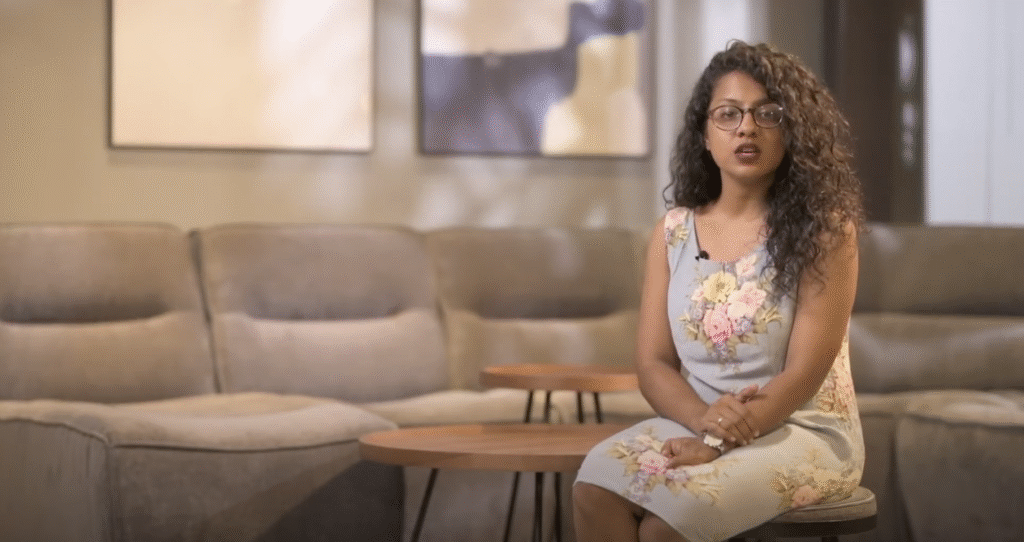
A close cousin is the customer story. Our testimonial video guide covers that format in detail.
Takeaway: write the explainer as a short script before the shoot, and record clean sound. A good presenter cannot rescue bad audio.
4. The recipe or usage video
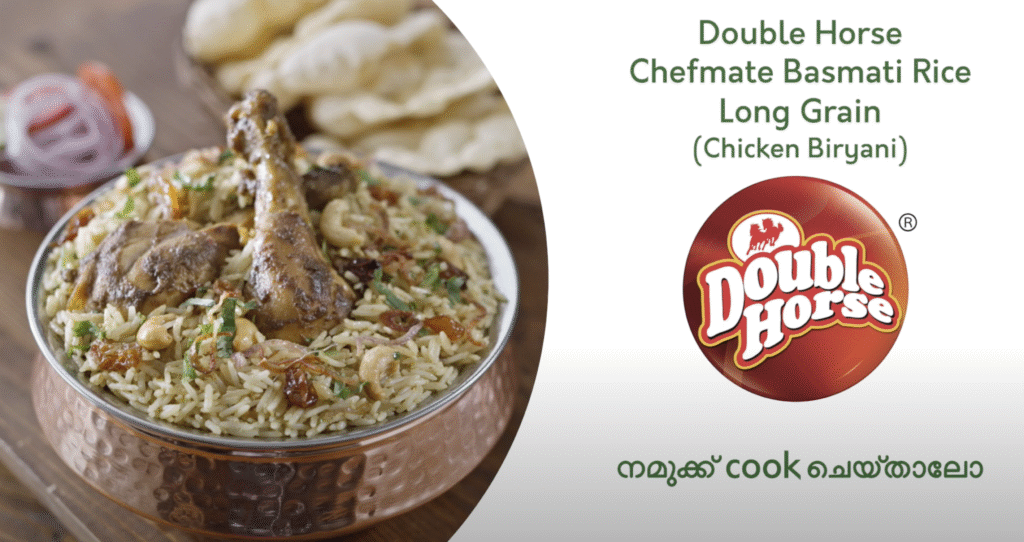
For food, beauty and home products, the most convincing demo is often a recipe or routine. For Double Horse, one of Kerala’s trusted food brands, we produced a series of eight recipe videos that show their products in action, from traditional Kerala dishes to modern twists, including ghee rice, chicken biriyani and matta broken rice. A food stylist was part of the crew, because in a recipe video the finished dish is the product shot. Wild Fish, a premium seafood brand, took a similar route with recipe films such as butter garlic prawns and fish stew.
Takeaway: one product, one recipe or routine, one clear result per video. A series of short videos is easier to watch and reuse than one long one.
5. The product-in-motion or lifestyle video
Some products only make sense when they move. On the PUCA shoot, outdoor scenes captured movement and how the shoes interact with their surroundings, while indoor shots focused on texture, material and form. Slow walking shots, quick turns and natural foot placement gave the footage energy, and each scene placed the shoes in a realistic setting such as casual urban styling or a minimal indoor space.
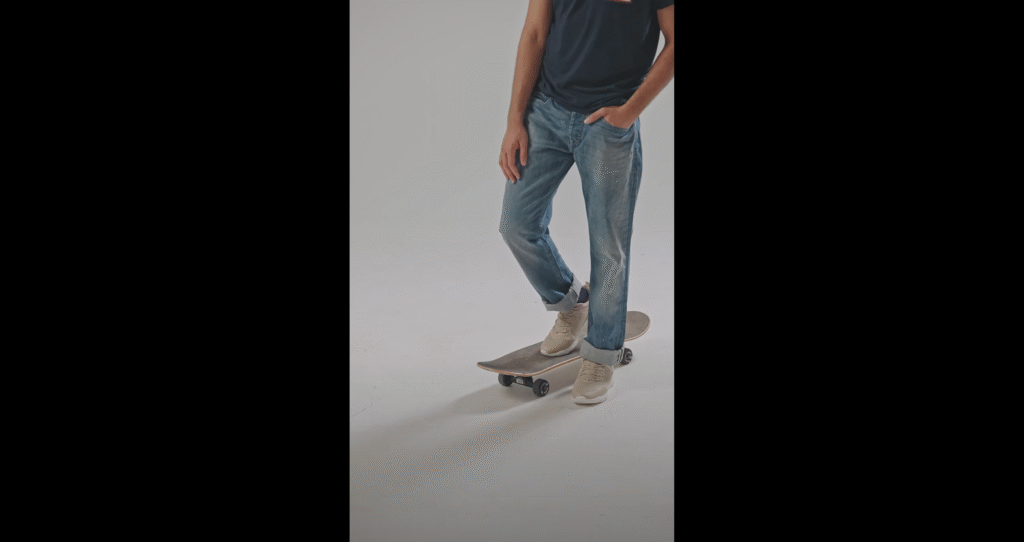
Takeaway: ask what your product does that a photo cannot show (bend, pour, fold, sparkle, stretch), and build the video around that.
6. Short loops: cinemagraphs, boomerangs and stop-motion
Not every product video needs a story. Wild Fish’s digital content included boomerangs, cinemagraphs and stop-motion pieces next to its recipe films. Loops like these work well as feed posts, website banners and product-page thumbnails, and they are cheap to add when the set and lighting are already in place.
Takeaway: add a few loops to the shot list of any product shoot. They take little extra time on set.
7. Social cutdowns and ad versions
Most product videos end up being cut again: vertical versions for Reels and Stories, shorter edits for ads, and different openings to test. PUCA’s outputs were formatted this way, with short vertical cuts for Instagram Reels, widescreen edits for website banners, high-resolution stills for ads and detail shots for product pages. If you are deciding between a TV-style and a digital-first film, our TVC vs DVC guide explains the difference.
Takeaway: frame for both vertical and horizontal on the day, so you are not cropping the product out later.
How Long Should a Product Video Be?
There is no single right length. A useful rule: as short as the job allows. The ranges below are practical starting points for planning, not platform rules. Test and adjust once the videos are live.
| Video type | Where it is used | Starting length | Format |
|---|---|---|---|
| Hero product video | Website, launch, top of campaigns | About 30 seconds to 2 minutes | Horizontal, plus a vertical cut |
| Product demo | Product page, marketplace listing, ads | About 30 to 90 seconds | Horizontal or square |
| Explainer | Website, YouTube, email | About 1 to 2 minutes | Horizontal |
| Recipe or usage video | Social, YouTube, product page | About 30 to 60 seconds per recipe or routine | Vertical and horizontal |
| Lifestyle or motion clip | Social, banners, ads | About 6 to 20 seconds | Vertical first |
| Loop, cinemagraph, boomerang | Feed, banners, thumbnails | A few seconds, looping | Square or vertical |
| Social ad cutdown | Reels, Stories, paid social | About 6 to 15 seconds | Vertical |
Whatever the length, show the product early. Viewers on social platforms decide quickly whether to keep watching, which is why, for Ripple Tea, we built every clip so its story started within the first one or two seconds. On a product page, people are already interested, so a demo can take a little longer to show each step properly.
What to Shoot: A Product Video Shot List
This is the shot list we start from. List every shot and where it will be used; this covers most D2C products. Adapt it per product.
- Hero reveal. The product on its own, lit well, with slow camera movement or a turn.
- Details. Close-ups of texture, stitching, finish, ingredients or the label.
- Scale. The product in hands or next to something familiar, so size is obvious.
- How it works. Each step of use, one shot per step, in order.
- The result. The finished dish, the applied product, the styled room, the shoe on the move.
- Context. The product in a real setting that matches your customer’s life.
- A human moment. A reaction, a pour, a first wear. Something that feels real.
- Packaging and end frame. The pack and the brand name, held long enough to read.
- Loops and extras. A cinemagraph, a boomerang or a stop-motion sequence on the hero set.
- Both orientations. Key shots framed for vertical and horizontal.
For a full planning method, from creative brief to moodboard to shot list, see how to plan a brand photoshoot.
Plan Product Videos and Photos Together
Video and photography share the same product, styling, set and light, so planning them together saves time and keeps the look consistent. Most of our D2C projects deliver both: Tanmayi Jewellery received one campaign film alongside three campaign photographs and three product photographs, and Wild Fish received twelve social films and twenty-five retouched photographs. Our guide to product photography for D2C brands covers the stills side, and what is a D2C brand explains why this content matters more when you sell direct.
Takeaway: brief photos and videos as one shoot with one shot list, and assign each frame to a channel before the day.
Common Product Video Mistakes
- Opening with a logo or a long intro instead of the product.
- One long video trying to do every job, instead of a set of short ones.
- No close-ups, so customers still cannot see the finish or texture.
- Shooting only horizontal and cropping vertical versions later.
- Poor sound on presenter or explainer videos.
- No plan for where each video will be used.
Frequently Asked Questions
What is a product video?
A short video that shows a product clearly, in detail and in use, so customers can understand it before they buy. It is used on product pages, websites, marketplaces, social media and ads.
How long should a product video be?
As short as its job allows. Social cutdowns and lifestyle clips are usually the shortest, demos and recipe videos sit in the middle, and hero and explainer videos run longest. Use the table above as a starting point and adjust once you see how people watch.
What is the difference between a product demo and an explainer video?
A demo shows the product being used and lets the visuals do the work. An explainer uses a presenter or voice-over to talk through features, materials or a collection, like our informational videos for Cedar Home Store.
Can product videos and product photos be shot on the same day?
Yes. The set, styling and lighting are already in place, so short videos, loops and stills can be captured on the same shoot with the right crew and a shared shot list.
Do you work on retainers?
No. The Vertical Story works project by project, with a clear scope and deliverables agreed for each production.
Planning Product Videos for Your Brand?
At The Vertical Story, we plan and produce product demo and explainer videos, recipe and lifestyle films, and the photography that goes with them, for D2C and hospitality brands. See our e-commerce creative visual production service, or send us your product list and where the videos will be used, and we will help you plan the right set of videos.
Written by: Naseef Gafoor, Director, The Vertical Story
Produced by: The Vertical Story, Creative Content Studio, Kochi