
Quick answer: The Vertical Story is a creative content studio in Kochi, India that plans and produces brand photoshoots and films for hospitality and D2C brands, project by project. To plan a brand photoshoot, write a one-page creative brief (goal, audience, products, channels and deliverables), turn it into a moodboard that fixes the look (light, colour, styling, locations), and then build a shot list that names every image and clip you need, with its format and where it will be used. Lock those three documents before the shoot day, and the shoot becomes a matter of execution rather than guesswork. Below is how we do it, with real examples and a template you can copy.
Why a Brand Photoshoot Needs a Plan
A brand photoshoot is not a product shoot with nicer lighting. It has to show what the brand stands for, and it usually has to feed many places at once: the website, product pages, paid ads, Reels, print and sometimes a showroom screen. Without a plan, a shoot day fills up with nice frames that do not fit any of those places. With a plan, every frame has a job.
Our process starts with the first moodboard and stays hands-on to the final frame. In practice, that means three documents, written in this order:
- The creative brief: what the shoot is for and what it must deliver.
- The moodboard: what the shoot will look and feel like.
- The shot list: exactly which images and clips will be made, and how.
Step 1: Write the Creative Brief
The creative brief is the shortest of the three documents and the most important. If it is vague, everything after it will be too. A good brief for a brand photoshoot answers these questions in plain language:
- Objective. What is this shoot for? A launch, a website refresh, a festive campaign, performance ads, a new collection?
- The brand in one line. How should people feel about the brand after seeing the images?
- Audience. Who are we showing this to, and where will they see it?
- Products or spaces. The full list of products, variants, rooms or locations that must appear.
- Channels and formats. Website banners, product pages, Instagram feed, Reels and Stories, ads, print. Each one changes the crop and the orientation.
- Deliverables. How many photographs and films, in which formats.
- Must-haves and must-nots. Brand colours, logo rules, things competitors do that you want to avoid.
- Practicals. Dates, locations, talent, approvals and who signs off on the day.
Example: Glain Lifestyle
For Glain Lifestyle, the objective was to position Glain as a modern, lightweight silver jewellery brand, with a visual identity built for performance marketing, website conversion and digital storytelling. The central idea fitted in three words: simplicity as luxury. That one line ruled out ornamental excess and bridal-heavy styling before anyone looked at a reference image. The deliverables were just as clear: one hero video, ten lifestyle photographs, five product photographs and thirty social media visuals.
Step 2: Build the Moodboard
A moodboard turns the brief into pictures. It is where the team agrees on the look before money is spent on sets, talent and locations. Keep it focused. A moodboard that tries to show everything decides nothing.
A useful brand photoshoot moodboard covers:
- Light. Soft or hard, natural or studio, bright and high-key or warm and low.
- Colour palette. Backgrounds, props and wardrobe that work with the product and the packaging, not against them.
- Styling. Wardrobe, hair, make-up and how talent should look and move.
- Sets and locations. Studio sets, real places, or both.
- Composition and motion. Framing, camera movement and pace for the video side.
- Post-production. The grade and the retouching style, so the final look is agreed early.
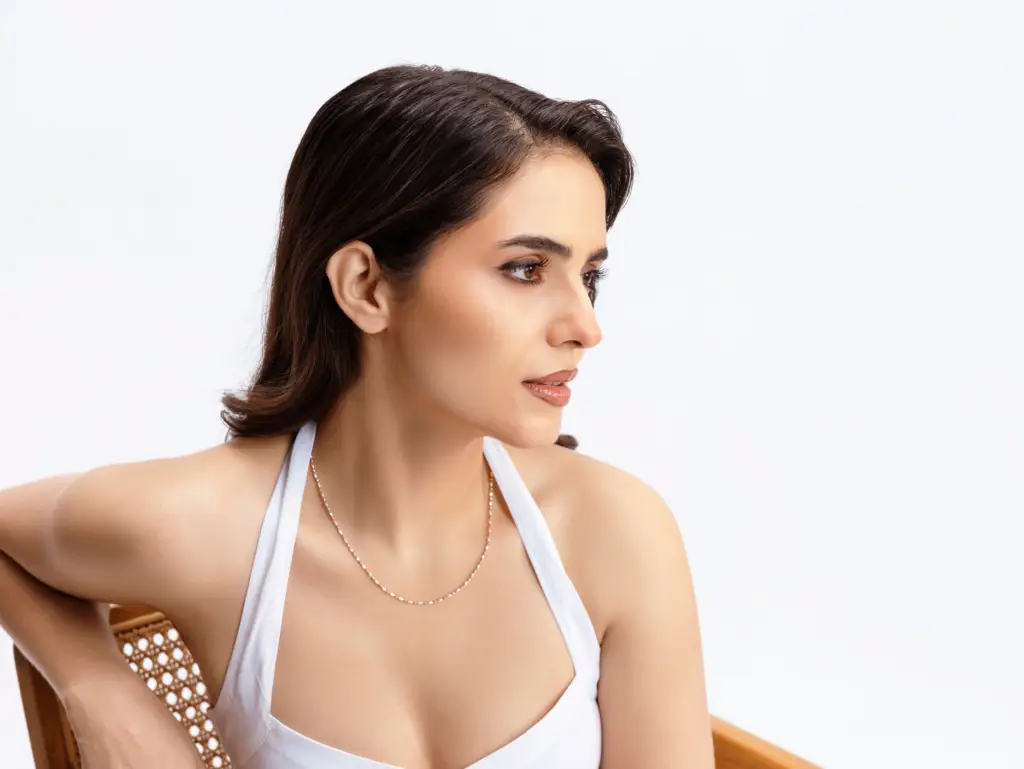
For Glain, moodboarding and pre-production planning were part of the scope. The board fixed neutral palettes, soft shadows and controlled highlights to bring out the silver, with models styled naturally: subtle gestures and relaxed confidence. Because that was agreed up front, the shoot could stay consistent across website banners, social campaigns and ad creatives.
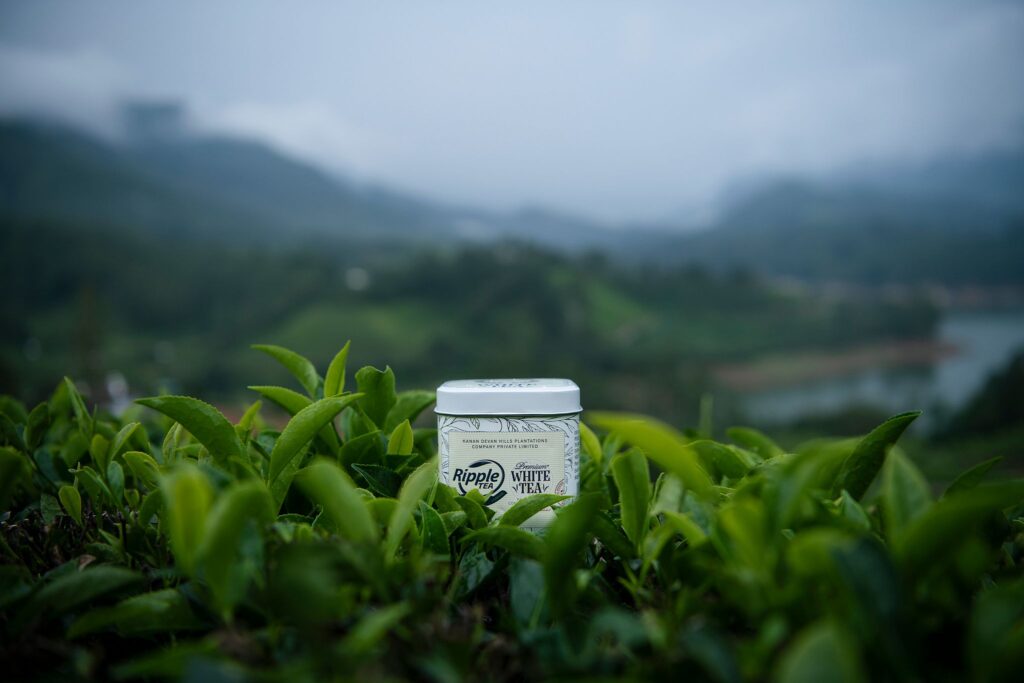
For Ripple Tea, we broke the brand into three themes before production: freshness, culture and youthfulness. Each theme became a visual rule. Freshness meant crisp lighting, clean backgrounds and fluid motion. Culture meant expressive gestures and everyday situations. Youthfulness meant short edits, playful transitions and energetic cuts. Because the packaging is vivid, backgrounds, props and wardrobe were chosen to complement it rather than compete with it.
Step 3: Make the Shot List
The shot list is the working document for the shoot day. It turns the brief and the moodboard into a list of specific frames, so nothing is missed and the crew can plan the light, sets and talent in a sensible order.
Each line of a shot list should say:
- Shot number and name, such as “Hero: product on the plantation” or “Detail: stitching close-up”.
- Type: photo, video, or both.
- Product, variant or space in the frame.
- Set or location.
- Talent and styling, if any.
- Framing and orientation: wide, mid or close; horizontal, vertical or square.
- Where it will be used: website banner, product page, ad, Reel, print.
- Priority: must-have or nice-to-have, so you know what to drop if time runs short.
Plan for every format at the shot-list stage
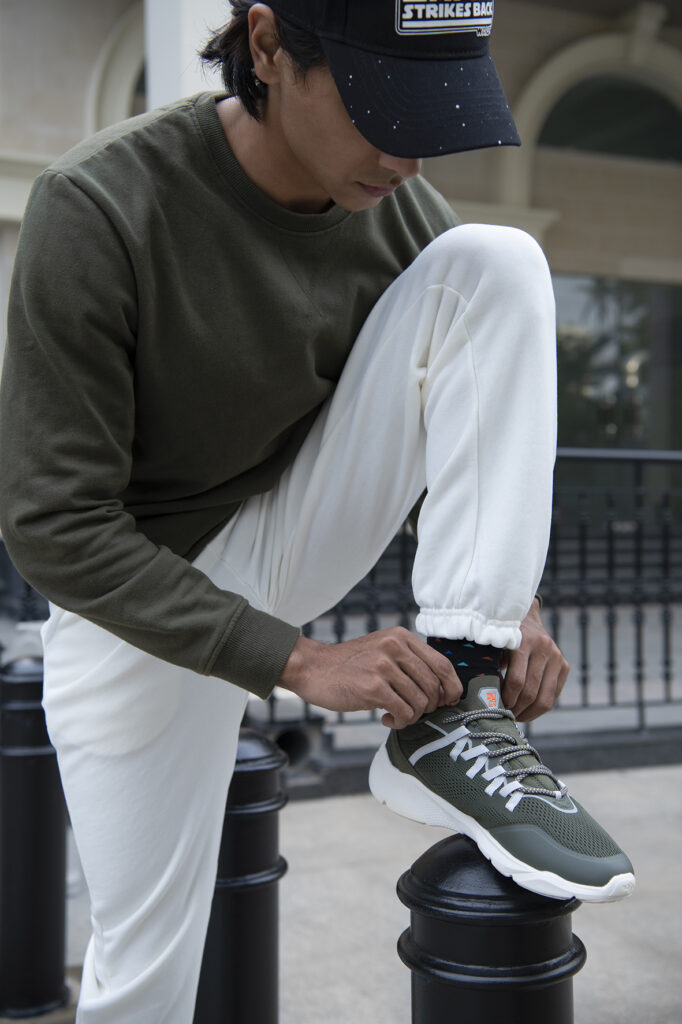
For PUCA Shoes, the shoot was structured around lifestyle stories rather than static product shots. Outdoor scenes showed movement and how the shoes handle real places, while indoor shots focused on texture, materials and form. The output list was planned for every channel from the start: short vertical cuts for Reels, widescreen edits for website banners, high-resolution stills for ads and detail shots for product pages.
Ripple Tea shows another reason to plan the shot list carefully. The brand has several product variants, so we built a modular system for content batches: each variant got its own mood within the wider Ripple Tea identity. The list also separated performance assets (tighter product shots, ingredient close-ups, crisp call-out frames) from organic, lifestyle-led content, and every clip was planned to show its hook in the first one or two seconds.
Before the Shoot Day: Recce, Light and Crew
Some of the most useful planning happens on location. For GITAM University, the process began with time on campus to understand its daily rhythm: morning routines, classes, corridor conversations, sport and quiet evenings. Mapping those moments let us plan a shoot that felt natural rather than staged. Light was planned across the day too, with soft morning light, brighter midday scenes and warm evening tones giving the whole set of visuals a gentle arc.

Bring specialists into the plan early. Food and product shoots often need a stylist from the start. Our Wild Fish production, for example, had a food stylist on the team, and the scope (twelve social films and twenty-five retouched photographs) covered recipe films, a cinemagraph, a boomerang and stop-motion pieces, each of which needs its own setup on the day.
If you want to see what our sets and crews look like in action, Naseef shares production work on his behind-the-scenes page.
Brand Photoshoot Planning Template
Copy this into a document and fill it in before you speak to a studio. Even a rough version will make the first conversation faster and the quote more accurate.
Creative brief template
| Section | What to write |
|---|---|
| Objective | What the shoot is for (launch, website, campaign, ads) and what success looks like |
| Brand in one line | The feeling or idea the images must carry |
| Audience | Who the images are for and where they will see them |
| Products or spaces | Full list, including variants, colours and sizes |
| Channels | Website, product pages, Instagram, Reels, ads, print, outdoor, in-store |
| Deliverables | Number of photographs and films, with formats and orientations |
| Must-haves / must-nots | Brand colours, logo rules, styles to avoid |
| References | Three to five images or films that capture the direction |
| Practicals | Dates, locations, talent, approvals and sign-off |
Shot list template
| # | Shot | Type | Product / space | Set or location | Framing and orientation | Used for | Priority |
|---|---|---|---|---|---|---|---|
| 1 | Hero image | Photo | Main product | Styled set | Wide, horizontal | Website banner | Must-have |
| 2 | Product in use | Photo + video | Main product | Lifestyle location | Mid, vertical | Reels, ads | Must-have |
| 3 | Detail close-up | Photo | Main product | Studio | Close, square | Product page | Must-have |
| 4 | Variant line-up | Photo | All variants | Studio | Wide, horizontal | Website, print | Nice-to-have |
The rows above are an example layout, not a fixed list. Add as many rows as your brief needs, and mark the must-haves clearly.
Common Planning Mistakes
- Starting with references instead of the objective. A beautiful moodboard cannot fix an unclear brief.
- Forgetting vertical formats. If Reels and Stories are on the channel list, plan vertical frames on the shot list, not as crops later.
- One look for every product. Variants and collections often need their own mood inside the brand identity.
- No priorities. Without must-haves marked, the most important shots can be the ones that get rushed.
- Late sign-off. Agree the brief, moodboard and shot list with whoever approves the final work before the shoot, not after.
For more on the product side, read our guide to product photography for D2C brands. If you are also planning films, our post on brand films, ad films and corporate films explains which one fits which goal.
Frequently Asked Questions
What is a brand photoshoot?
A brand photoshoot is a planned shoot that creates images, and often short films, showing what a brand stands for, not only what it sells. The results are used across the website, social media, ads and print.
What should a creative brief for a photoshoot include?
The objective, the brand idea in one line, the audience, the products or spaces, the channels, the deliverables, must-haves and must-nots, a few references and the practical details such as dates, locations and approvals.
What is the difference between a moodboard and a shot list?
A moodboard shows how the shoot should look and feel: light, colour, styling and locations. A shot list names every individual image and clip to be made, with its framing, format and purpose.
How many shots should a brand photoshoot have?
It depends on the channels and products. Start from the deliverables in the brief and work backwards. For reference, our Glain Lifestyle project delivered one hero video, ten lifestyle photographs, five product photographs and thirty social visuals, while Wild Fish delivered twelve social films and twenty-five retouched photographs.
Do you work on retainers?
No. The Vertical Story works project by project, with a clear scope and deliverables agreed for each shoot.
Planning a Brand Photoshoot?
At The Vertical Story, we help hospitality and D2C brands plan and produce brand photoshoots and films, from the creative brief and moodboard to the final edit. Send us your brief, or even a rough one, and we will help you turn it into a shot list and a production plan.
Written by: Naseef Gafoor, Director, The Vertical Story
Produced by: The Vertical Story, Creative Content Studio, Kochi