
Quick answer: UGC ads are ads made from creator- or customer-style content: usually shot on a phone, spoken in the first person and designed to feel native to the feed. Studio-produced ads are planned, directed and shot by a production team with controlled light, sets, talent and sound. UGC is cheaper per video and quick for testing hooks and angles. Studio work builds your brand’s look and gives you assets that last across your website, marketplaces and campaigns. Most D2C brands in India do best with both: one well-planned studio production as the anchor, and a steady layer of UGC to test, learn and refresh.
What Are UGC Ads?
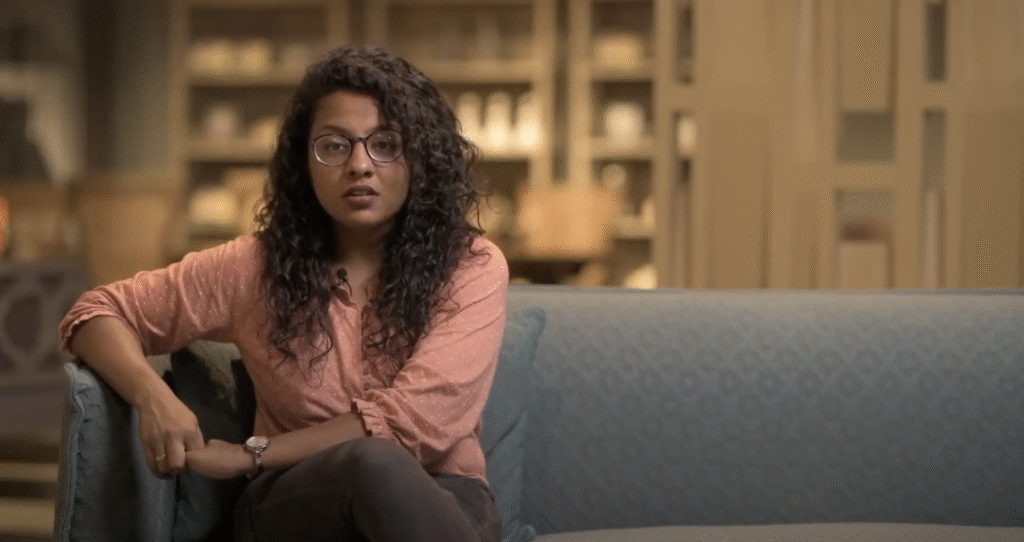
UGC stands for user-generated content. Originally, it meant content that real customers posted on their own, like a review, an unboxing or a photo with the product. Today, most UGC ads are made by UGC creators: people paid to make content in that natural, customer-like style, which the brand then runs as ads from its own account or the creator’s.
The difference between a UGC creator and an influencer is worth knowing. An influencer is paid mainly for reach, meaning posting to their audience. A UGC creator is paid mainly for the content itself, which the brand uses in its own ads and channels.
Common UGC ad formats
- Talking-head review: a creator explains why they use the product, straight to camera.
- Unboxing: first impressions, packaging and what’s in the box.
- Routine or “get ready with me”: the product used naturally within a daily routine.
- Problem and solution: a relatable problem, then the product as the answer.
- “Three reasons” or listicle: quick, structured benefits.
- Reaction or comparison: trying the product for the first time, or comparing it with an alternative.
What Are Studio-Produced Ads?
Studio-produced ads are made by a production team, with a director, cinematographer, lighting, art direction, styling and post-production. They can be shot in a studio or on location. What defines them is control: every frame, colour and movement is planned around the brand.
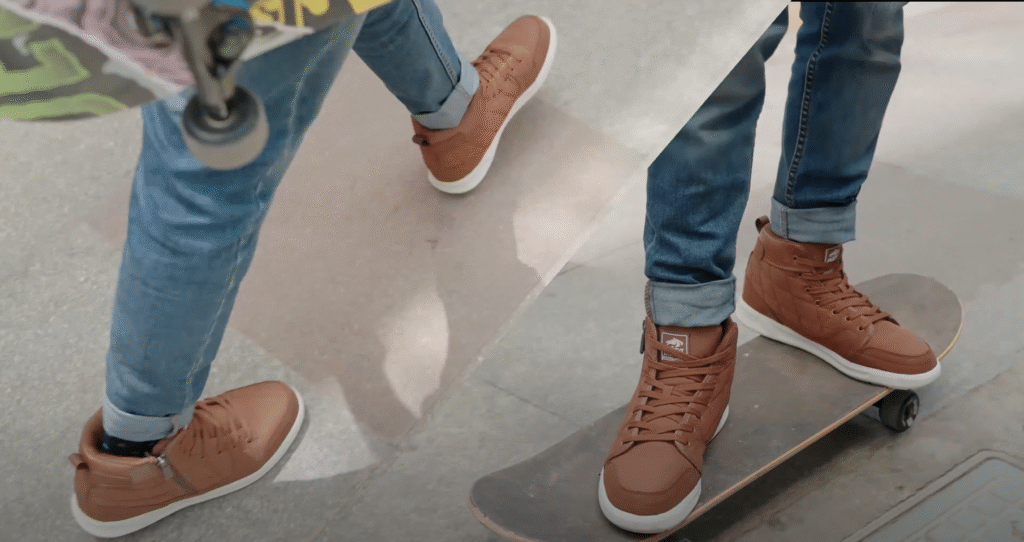
For PUCA Shoes, a D2C footwear brand, the production delivered a hero video, six social ads and fifteen retouched photos. The social ads used different formats from the same shoot, including digital films, cinemagraphs and stop motion, with movement built into the frames because footwear only comes alive in motion. For Carbon BAE, a charcoal skincare line, the scope was a hero video, eight social ads, GIF-style loops and twelve retouched photos.
UGC Ads vs Studio Ads, Side by Side
- Cost per asset: UGC is usually much lower per video. Studio work costs more per shoot but delivers many assets at once.
- Speed: UGC can be briefed and delivered quickly. Studio work needs pre-production, a shoot and post.
- Feel: UGC feels personal and native to the feed. Studio work feels considered and premium.
- Control: with UGC, you trade control for authenticity. In the studio, you control light, colour, styling and product accuracy.
- Brand consistency: UGC varies from creator to creator. Studio work builds a consistent visual system.
- Lifespan: UGC ads tend to tire quickly and need frequent replacement. Hero studio assets can run for a season or longer and be re-cut many times.
- Where they work: UGC mainly works in paid social and organic social. Studio assets work across the website, marketplaces, social, ads, print and in-store.
When UGC Ads Win
- Testing messages. You can try several hooks, benefits and objections quickly and let the results tell you what to scale.
- Social proof. A real-feeling person explaining why they like a product answers the question “is this actually any good?”
- Explaining use. Demos, routines and before-you-buy questions are natural in a first-person format.
- Volume. Paid social rewards fresh creative, and UGC is an efficient way to keep the pipeline full.
- Reaching specific audiences. Creators who speak a regional language or fit a particular community can make a message feel local.
When Studio-Produced Ads Win
- Launching a brand or a collection. First impressions set the tone, and a hero film and campaign stills do that job best.
- Premium and visual categories. Jewellery, fashion, beauty and home products depend on accurate colour, texture and finish.
- Building a recognisable look. A consistent visual system makes every touchpoint feel like the same brand.
- Assets that work everywhere. Website banners, product pages, marketplace images, outdoor and print all need controlled, high-resolution images.
- Festive and seasonal campaigns. Big moments deserve films and frames that people remember.
The Hybrid Most D2C Brands End Up With
In practice, the question isn’t really “UGC or studio?” It’s how the two work together. A model that works for many D2C brands looks like this:
- An anchor production. One well-planned shoot that builds the brand’s look and delivers a hero film, product and lifestyle photographs and a first set of social ads.
- A UGC layer. Creator videos briefed around the messages you want to test, using the studio work as the visual and tonal reference.
- Studio-made, creator-style content. Presenter-led or first-person videos shot by a production team, with good light and sound but a natural, native feel.
- Refresh and retargeting packs. New versions of what’s working, cut into different lengths, hooks and formats.
Our work with Cedar Home Store is an example of the third kind. We produce their monthly informational videos, introducing customers to the latest furniture, décor and lifestyle collections. Each video blends warm, aesthetic storytelling with practical product highlights, and the format works across social media, email and digital campaigns.
On our social-first content production work, we also support influencer and creator content, and our funnel-driven creative strategy work includes modular retargeting packs and A/B-tested creatives. That’s the studio side of the hybrid.
How to Brief UGC Creators
- Lead with the hook. Social platforms reward quick, clear communication. For Ripple Tea, we built every clip so its story started within the first one or two seconds. The same rule applies to UGC.
- One message per video. Pick one benefit or objection and give the creator two or three alternative opening lines to try.
- Show how to handle the product. Share your best studio images and films so creators know how the product should look, open and be used.
- Keep it natural. Give talking points, not a script to read word for word.
- Agree on deliverables. Lengths, aspect ratios, raw footage, captions and the number of hook variations.
- Put usage rights in writing. Organic use, paid ads, running ads from the creator’s handle, duration and exclusivity are all separate decisions.
- Follow disclosure rules. In India, ASCI’s guidelines for influencer advertising require paid or sponsored content to be clearly labelled. Check the current guidelines before briefing.

How Much Do UGC Ads Cost in India?
Treat any number as indicative. Going by published 2026 rate guides from Indian UGC agencies and industry coverage, a standard short UGC video from most creators falls somewhere between about ₹2,000 and ₹15,000, depending on experience, editing and category. Experienced specialists charge more, often ₹25,000 or above. Paid-ad usage rights, running ads from the creator’s handle, longer licences and exclusivity are usually priced on top of the base fee.
Studio production is priced differently: by shoot days, crew, talent, sets, and the number and type of deliverables. It costs more upfront, but one production can deliver a hero film, several social ads and a full set of photographs, as our PUCA and Carbon BAE shoots did. Compare costs per usable asset across the year, not per video.
Where Should a D2C Brand Spend First?
There’s no universal ratio, but a sensible order is:
- Put your first serious budget into a studio production that defines how your brand looks.
- Use UGC to test messages and hooks against that foundation.
- Move more budget into whatever is working, whether that’s more creator videos, studio-made versions of winning ideas or both.
- Refresh studio assets for every major launch or season.
Frequently Asked Questions
What are UGC ads?
UGC ads are ads built from user-generated or creator-made content, such as reviews, unboxings, demos and routines, usually shot in a natural, first-person style. Brands run them on platforms like Instagram, Facebook and YouTube.
Are UGC ads better than studio-produced ads?
Neither is better in every case. UGC is efficient for testing and social proof. Studio work builds the brand’s look and creates assets that last across every channel. Most D2C brands get the best results by combining the two.
Do UGC ads need usage rights?
Yes. Agree in writing where the brand can use the content (organic, paid ads or from the creator’s handle), for how long and whether exclusivity applies. These usually affect the fee.
What is the difference between a UGC creator and an influencer?
An influencer is paid mainly to post to their own audience. A UGC creator is paid mainly for the content, which the brand then uses in its own ads and channels.
Can a production studio make UGC-style ads?
Yes. Many brands use presenter-led or first-person videos shot by a production team. They keep the native feel of UGC while giving you better light, sound, product accuracy and brand consistency.
Planning Your Ad Creative Mix?
The Vertical Story works with D2C brands on both sides of the mix: anchor productions that define the brand, and modular social ads and creator-style content that keep campaigns fresh. If you’re deciding where to spend this quarter, tell us about your brand and your channels, and we’ll suggest a plan that fits your budget.
Written by: Naseef Gafoor, Director, The Vertical Story
Produced by: The Vertical Story, Creative Content Studio, Kochi